

• Home
  • Meet Flo
    • Who we serve

      Our integrated care pathways deliver lasting change, meaningful outcomes, and cost savings to our partners.

    • Evidence & Insight

      Clinical evidence and case studies show the value Florence provides to our partners.

    • About Us

      Florence delivers precise, psychology-based, intelligent health messaging.

  • Contact

Insights

Bubbles

Between Visits: How AI Messaging Is Reshaping CKD Care

Community nephrology pilot demonstrates how AI-assisted SMS can improve CKD patient engagement, reinforce guideline-directed therapy, and support performance in risk-bearing and value-based care models.

Medicare MA Attribution Files Are on the Way – 7

Chronic kidney disease doesn’t progress because of what happens during office visits – it progresses because of what happens between them. Yet most nephrology practices operating in ACO, KCC, and other risk-bearing models have limited infrastructure to influence blood pressure control, medication adherence, and symptom monitoring outside the clinic.

We recently piloted an AI-assisted SMS program to test whether structured digital outreach could extend care team impact – without adding FTEs – and the early signals are worth paying attention to.

Chronic kidney disease is managed between visits as much as it is in the clinic – yet most nephrology practices lack scalable tools to reinforce education, accountability, and self-management outside the office. In a recent pilot, we tested an AI-assisted SMS engagement program for patients with moderate to advanced CKD and found that structured, stage-appropriate digital outreach can meaningfully extend the care team’s impact.

51% of patients remained actively engaged over 180 days, submitting home blood pressure and glucose readings, responding to symptom check-ins, and receiving reinforcement around guideline-directed therapies such as ACE inhibitors, ARBs, and SGLT2 inhibitors. Patients described the program as a source of accountability and support.

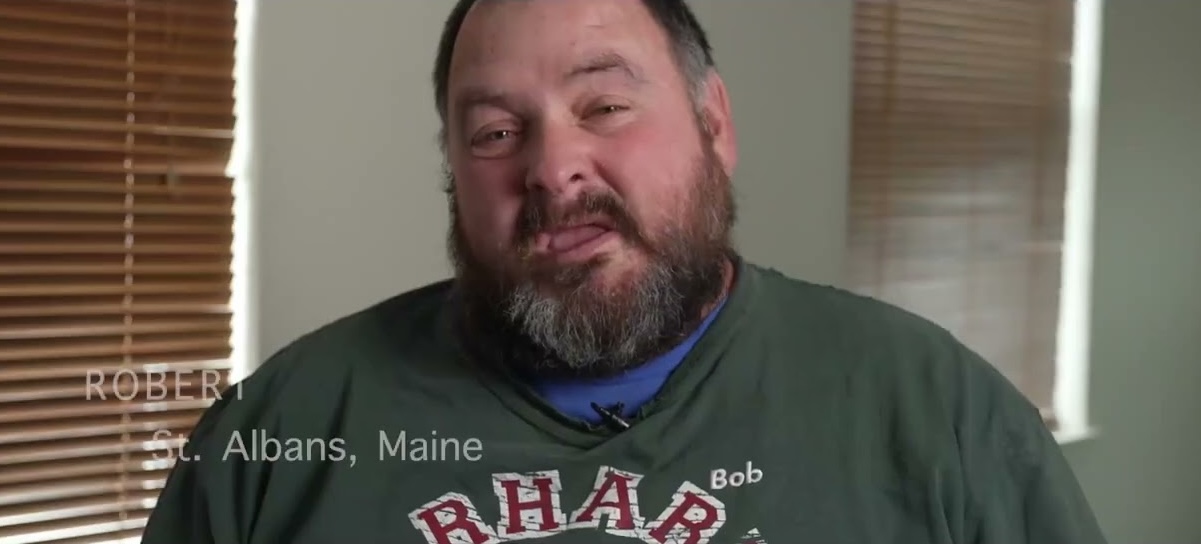
One patient shared, “Florence keeps on me to check my blood pressure and blood sugars.” Another noted, “It reminds me that I have to stay on top of this – it’s my responsibility.” Others expressed appreciation for the educational reinforcement, saying the messages helped them better understand why their medications matter and how daily monitoring connects to long-term kidney health.

While digital outreach does not replace in-person care, this experience suggests it can serve as a scalable, low-burden adjunct – strengthening patient activation, reinforcing education, and supporting more consistent self-management in CKD.

If managing CKD between visits is a growing priority in your risk-bearing model, we’d welcome a conversation about how structured SMS can support your care teams.

Article By:

Josh Lowentritt, M.D.

Martín Hornos, M.D.

Florence Logo

Case Study Packs

Contact Us

Generated Health
Harpswell, Maine 04079 USA

Call: +1 207-747-7408